I’ve been resisting grand proclamations.
I came across this essay critiquing how writers of diasporas write about their histories, cultures, and “motherland” and signal some sort of ethnic credibility on places they've never been to and are for sure not experts on. Using my diasporic identity to signal any sort of this ethnic credibility or ownership is simplifying and stupid at best, silencing and solipsistic at worst.
I’ve been resisting grand proclamations because singularity is a tool of control.
In order to wield a sword, a smith casts steel into a single shape, hammering it down to become sharper and sharper into a single point. I want to refuse the temptation to become a blade for digestability or traditional art-world success. Something that can be eaten quickly and be done with.
What am I calling back to when I say words like “Trinidad and Tobago” and “India” and “Hindu?"
Whose words are these? Have they not been blades too? Tempered by a Smith’s flame and a hammer to become one thing. Called upon to inflict horrific acts of violence? I don’t want to be a sword, I want to be the sheath.
The holding thing. Ursula K. Le Guin's carrier bag. The vessel that holds it all and lets them get all mixed up.
In The Argumentative Indian, Amartya Sen suggests that heterodoxy is essential to India’s history and past. The ability to hold, yes, that’s what a country can be right? But I don’t wanna be a country I just wanna be an embrace. Without large hands grasping at even larger fixtures of identity what do I have? Who do I have? What’s left in the smallest parts of me that I can hold onto?
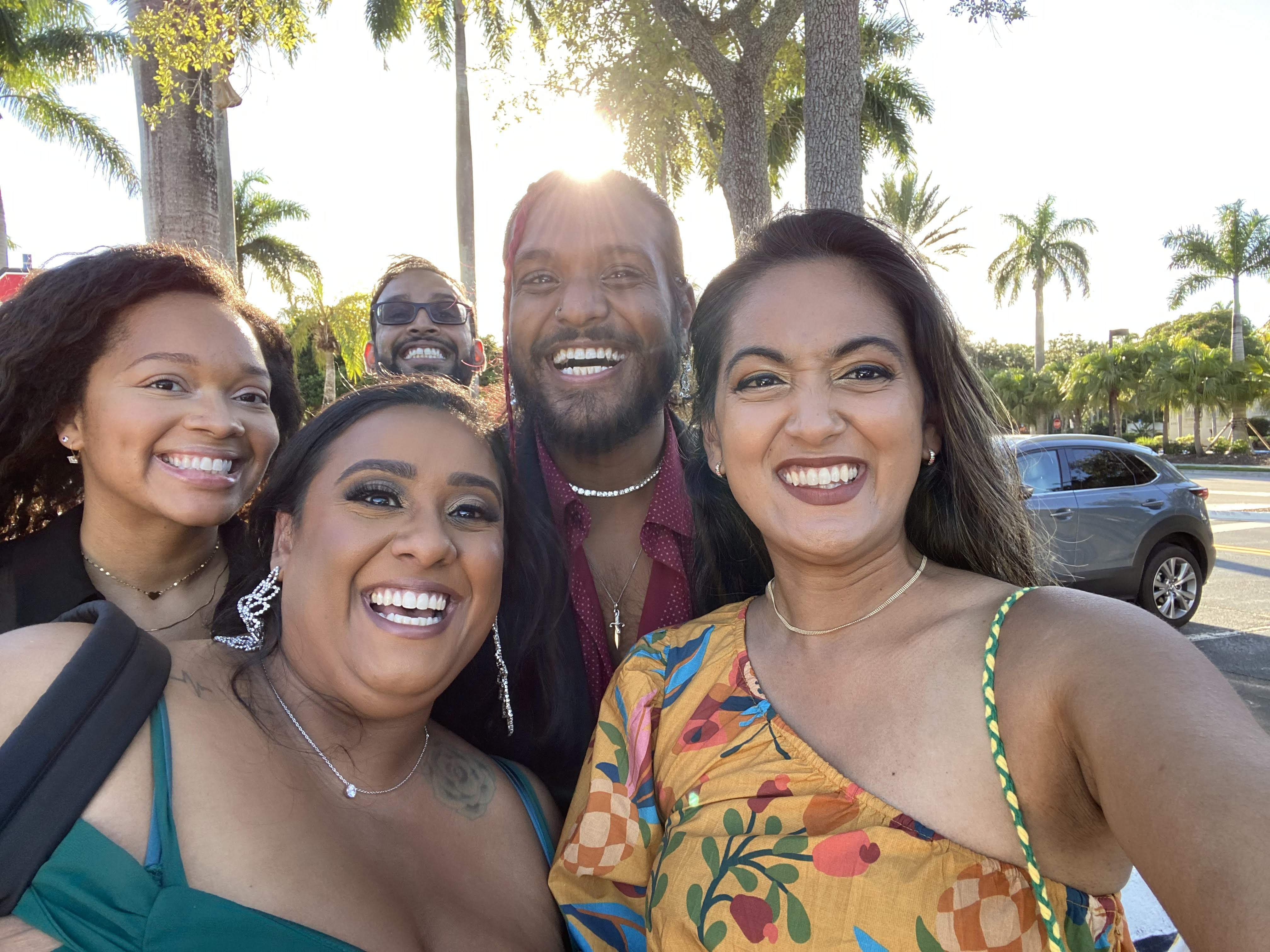
Can I be so lucky as to stumble upon a laugh,
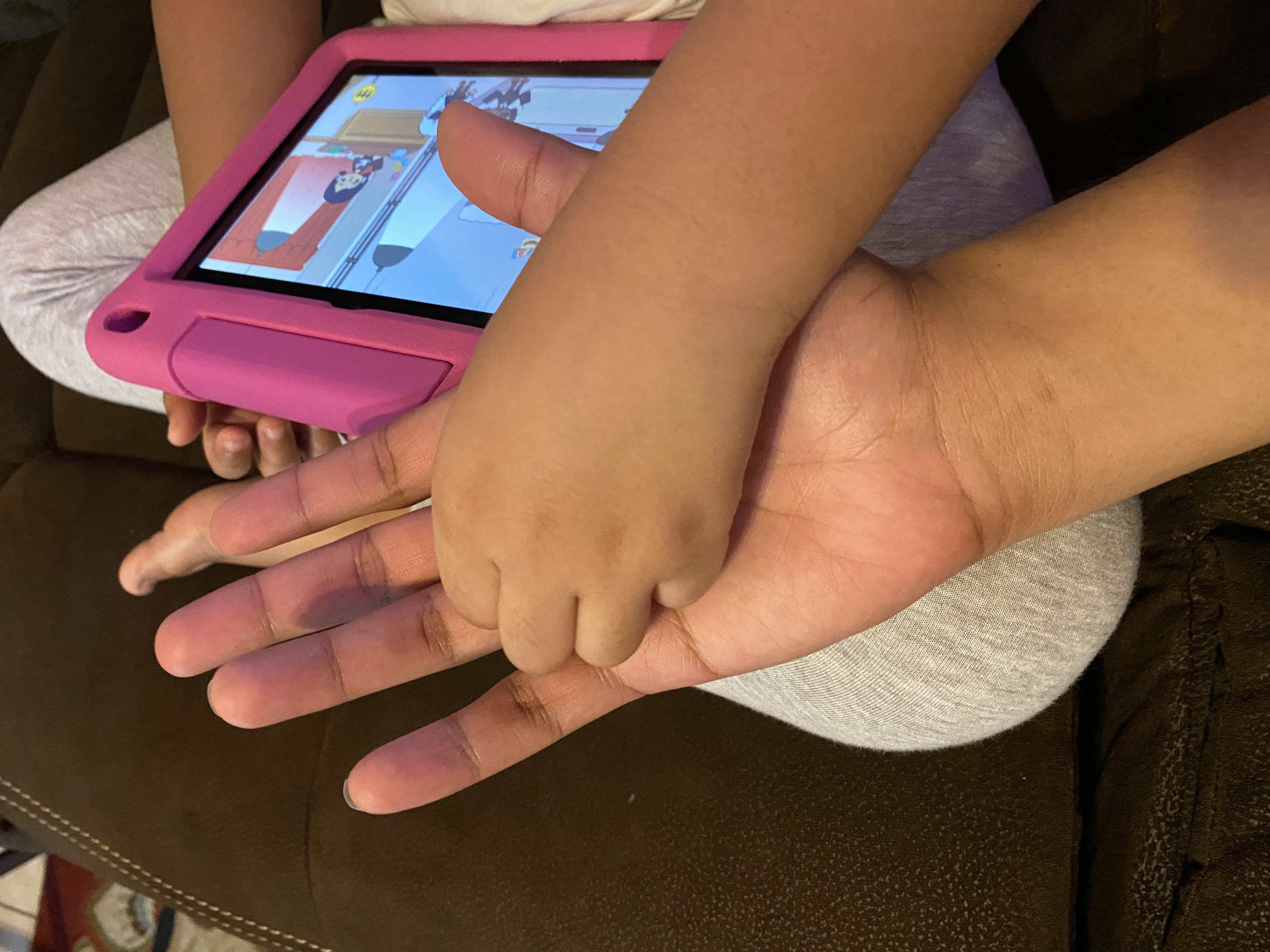
a palm,
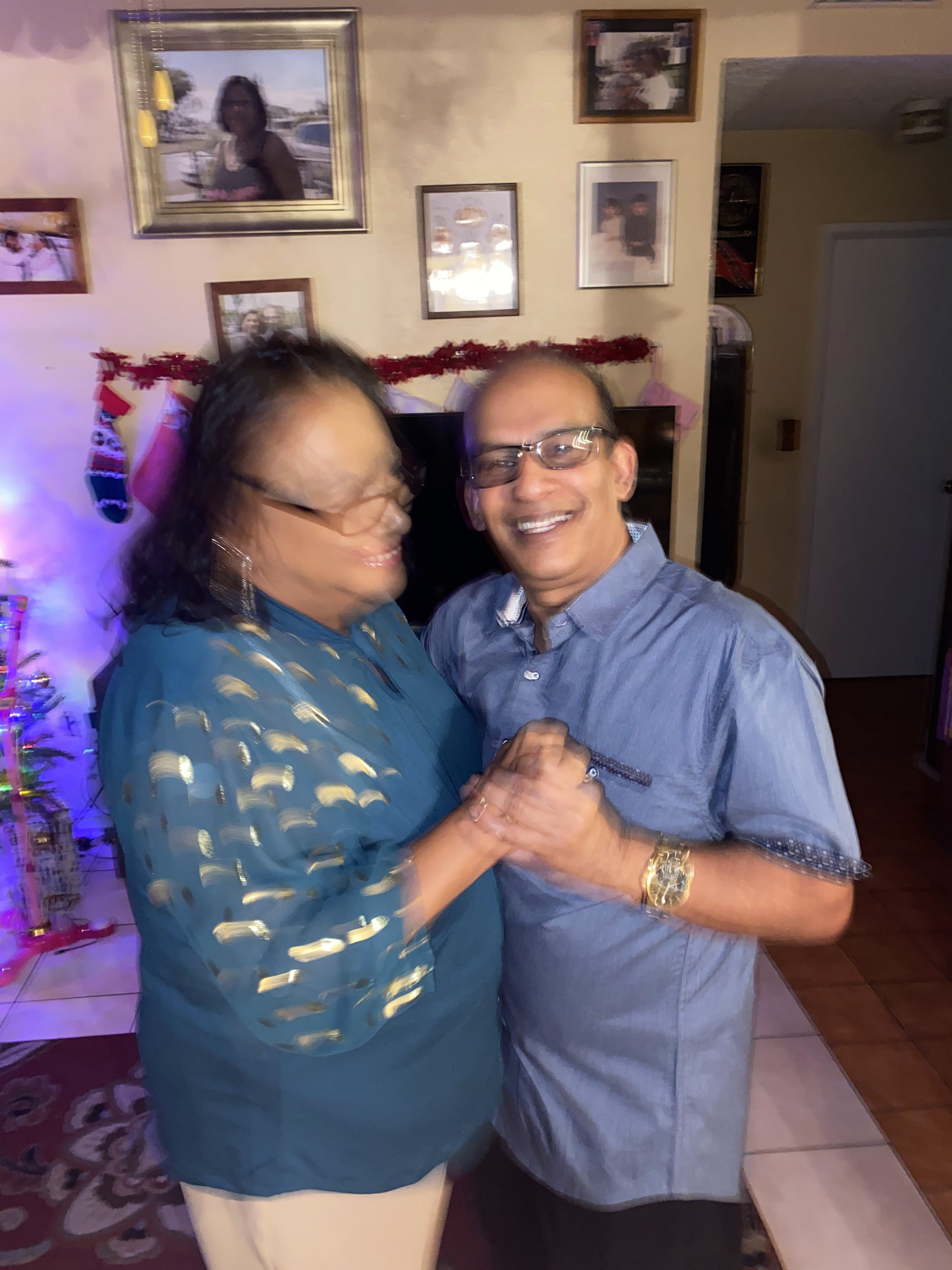
a dance,
a heart?